Learning Java becomes much easier when you follow a clear, structured approach. Whether you are a complete beginner, a college student, an AP Computer Science learner, or someone preparing for software development jobs, Java remains one of the best languages to start with. In this guide, you will learn the most effective, step-by-step method to learn Java programming the right way, including Core Java fundamentals, hands-on coding practice, real project development, interview preparation, and the tools used in the software industry today.
1. Build Strong Java Fundamentals (Theory + Understanding)
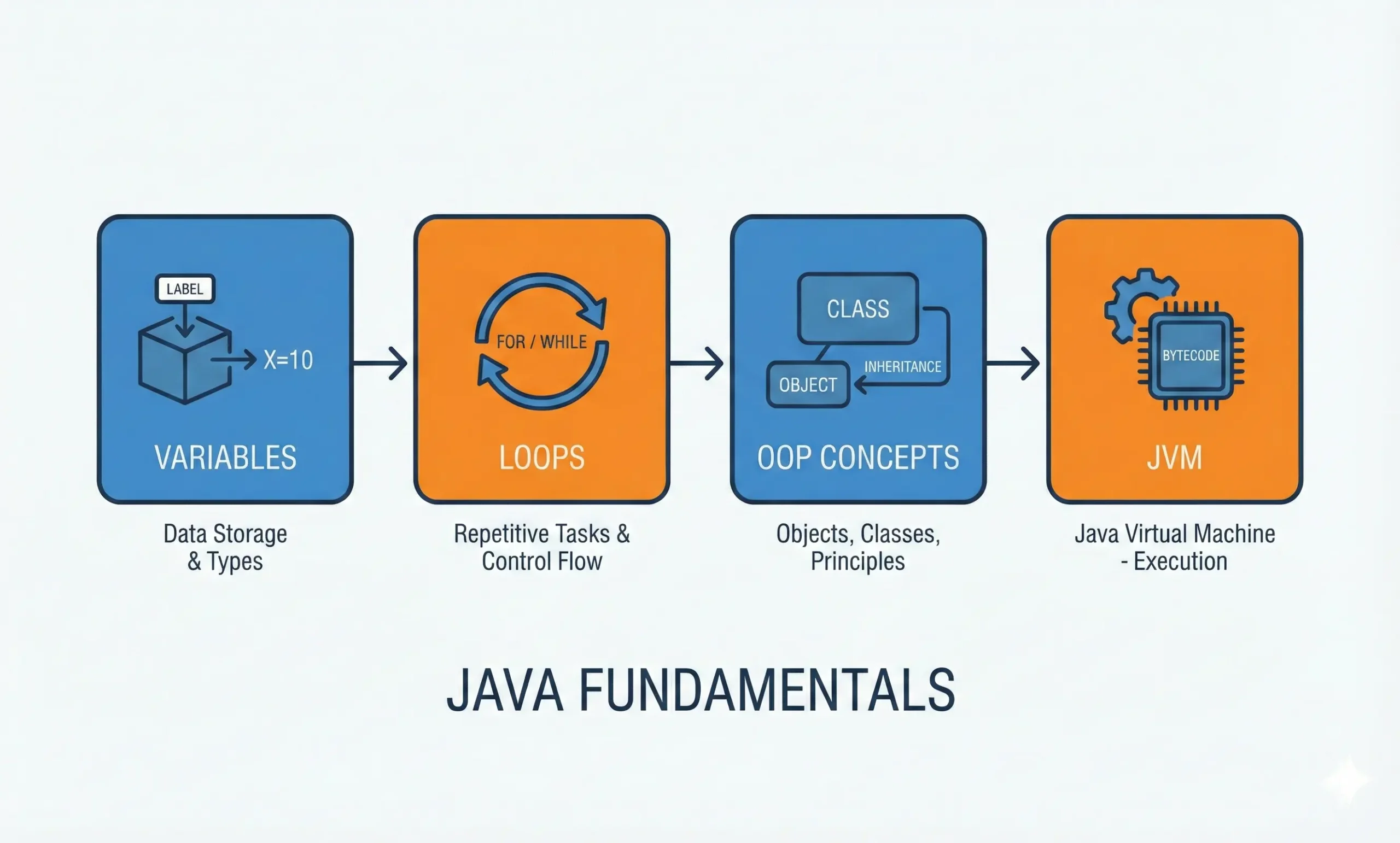
Before you start writing complex programs, it is important to develop a solid understanding of Core Java fundamentals. These concepts act as the foundation for everything you will learn later, including frameworks and real-world development.
Strong fundamentals help you:
- Understand how Java works internally
- Write clean, error-free code
- Learn advanced tools and frameworks faster
- Solve problems with confidence
Focus on learning:
- Variables, data types, operators
- Loops and conditional statements
- Methods and parameters
- Object-Oriented Programming (OOP)
- Encapsulation
- Inheritance
- Polymorphism
- Abstraction
- Exception handling
- Collections Framework
- JVM, JDK, JRE basics
Recommended Books:
- Head First Java (easy, beginner-friendly)
- Java: The Complete Reference (detailed and advanced)
2. Practice Java Coding Every Day
Java is a language you learn by doing. Consistent daily coding is the fastest way to build confidence and problem-solving skills. Even 20–30 minutes a day makes a noticeable difference over time.
Recommended platforms to practice Java:
- CodingBat.com – Perfect for beginners
- HackerRank – Practice real-world problems
- LeetCode – Ideal for interview preparation
Daily coding helps you:
- Build problem-solving skills
- Improve logical thinking
- Learn how Java behaves in different situations
- Prepare better for technical interviews
3. Build a Live Java Project
Real learning begins when you start building a project from scratch. A project teaches you how to apply everything you learned in Core Java and introduces you to real-world challenges that developers face.
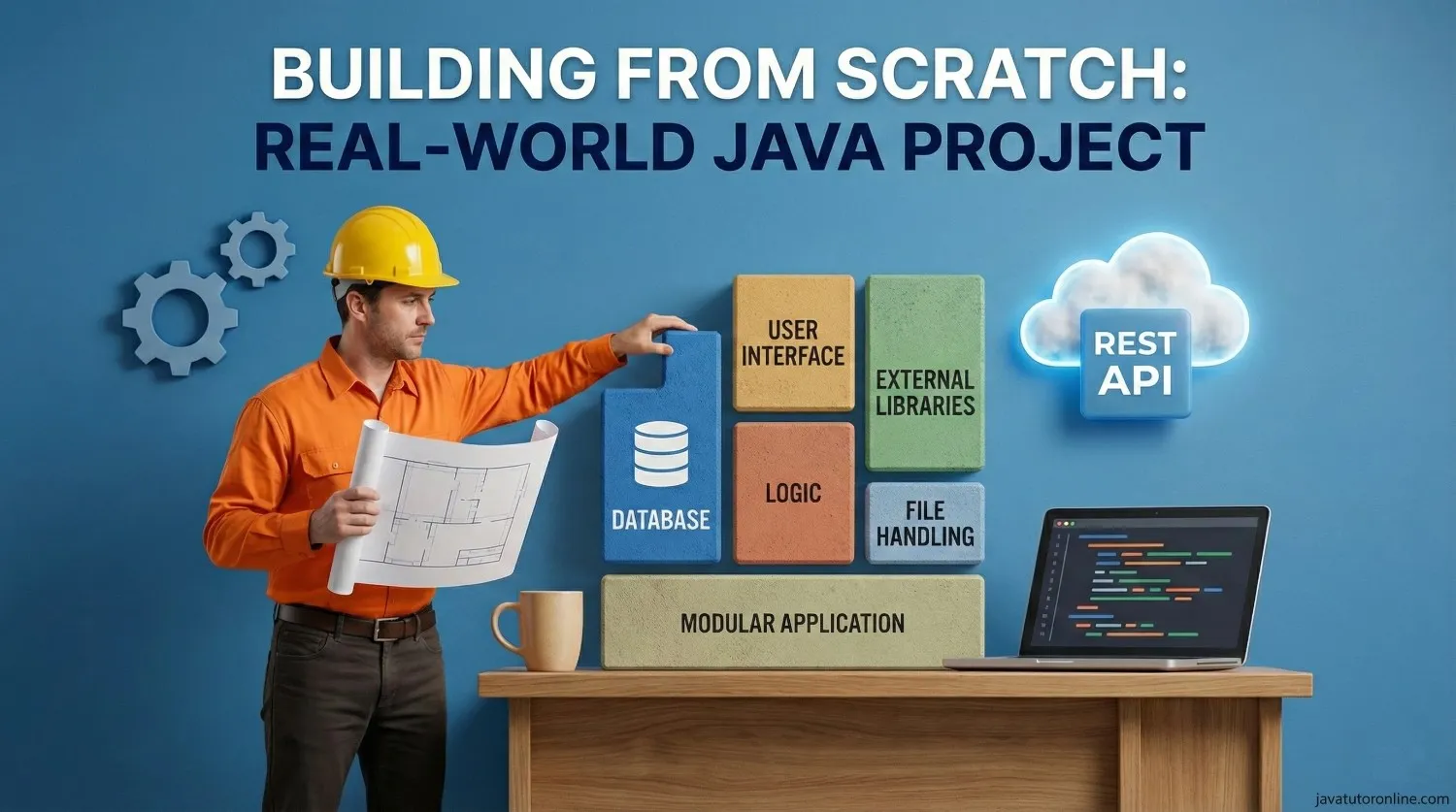
Working on a project helps you understand:
- Code structure and packages
- Debugging and problem-solving
- File handling and data storage
- Using external libraries
- Working with user input and output
Beginner-friendly project ideas:
- Library Management System
- Student Result Portal
- Inventory / Billing System
- Simple Banking Application
- REST API using Spring Boot
Completing even one project significantly boosts your confidence and prepares you for freelance work, internships, or job roles.
4. Develop Interest Through Small Wins
Interest grows when you see results. Start with small, easy tasks that give you quick wins and make learning Java fun.
You can begin with:
- Pattern printing programs
- Simple calculators
- Small games (Guess the Number, Rock-Paper-Scissors)
- Utility programs (String reverser, BMI calculator, etc.)
These small wins build motivation, which is crucial for long-term learning.
5. Prepare Java Interview Questions Early
Do not wait until you finish learning Java to start preparing for interviews. Instead, maintain a Google Doc where you regularly note:
- Important theory concepts
- Java coding questions
- Mistakes you corrected
- Common interview questions
- Tricky concepts you often forget
Preparing early helps you remember concepts better and makes interview preparation much easier later.
6. Learn Spring Boot and Hibernate (Industry Frameworks)
Once you are comfortable with Core Java, the next step is learning frameworks used in real-world applications.
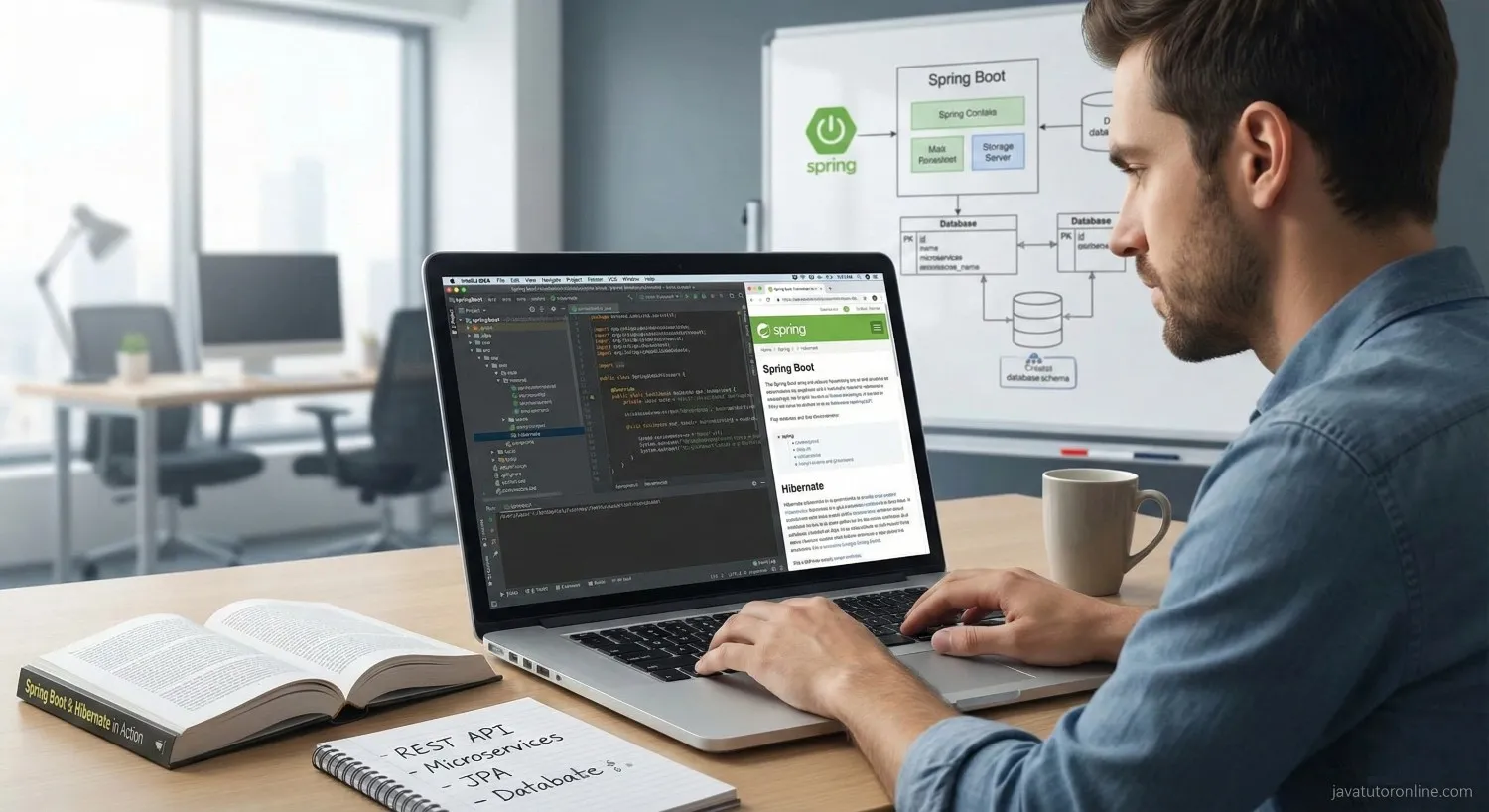
Spring Boot is the most widely used framework in the Java world today. It allows you to:
- Create REST APIs quickly
- Build microservices
- Reduce configuration through auto-setup
- Write clean, structured, maintainable code
Hibernate / JPA helps you work with databases efficiently.
Understanding frameworks prepares you for:
- Backend developer roles
- Enterprise application development
- Cloud-based applications
- API development
7. Follow Trusted Java Blogs
Staying updated helps you understand best practices and new Java features. Some recommended blogs include:
- Oracle Java Blog
- HowToDoInJava
- JavaWorld
- JGuru
Regular reading helps improve your coding approach, architecture understanding, and interview readiness.
8. Learn Faster With a Java Tutor or Mentor
Learning alone is possible, but having a mentor saves time and reduces frustration. A good Java trainer can help you:
- Clear doubts quickly
- Build real-world projects
- Stay consistent
- Follow a structured learning path
If you want to learn Java quickly and effectively, personal guidance makes a big difference.
Learners who prefer guided, one-on-one support can explore personalized Java learning options at JavaTutorOnline.
9. Learn Surrounding Technologies
Java developers use multiple related technologies in real-world projects. After Core Java, start learning:
- JDBC
- Servlets & JSP
- Maven / Gradle
- JUnit testing
- REST APIs
- Basic JavaScript / AJAX / JSON
This combination makes you highly employable.
10. Code Every Day to Build Strong Logic
Coding ability improves only through consistency. Even small daily coding tasks sharpen your logic and help you become a stronger developer.
Focus on:
- Arrays
- Strings
- Recursion
- HashMap logic
- Two-pointer techniques
Daily practice builds muscle memory and long-term mastery.
Frequently Asked Questions
1. Is Java hard to learn?
No. Java is beginner-friendly and widely taught in schools and universities.
2. Can I learn Java in one month?
You can learn the basics in a month, but becoming job-ready takes 4–6 months.
3. What is the best way to practice Java?
Practice daily on platforms like CodingBat, HackerRank, and LeetCode.
4. Which Java framework should I learn first?
Spring Boot. It is the industry standard for building modern Java applications.
5. Can I learn Java without a tutor?
Yes, but having a mentor helps you learn faster and more effectively.
Learning Java is a long-term skill investment. With consistent practice, real projects, and the right guidance, anyone can build a strong foundation and grow confidently as a Java developer.
Leave a Reply